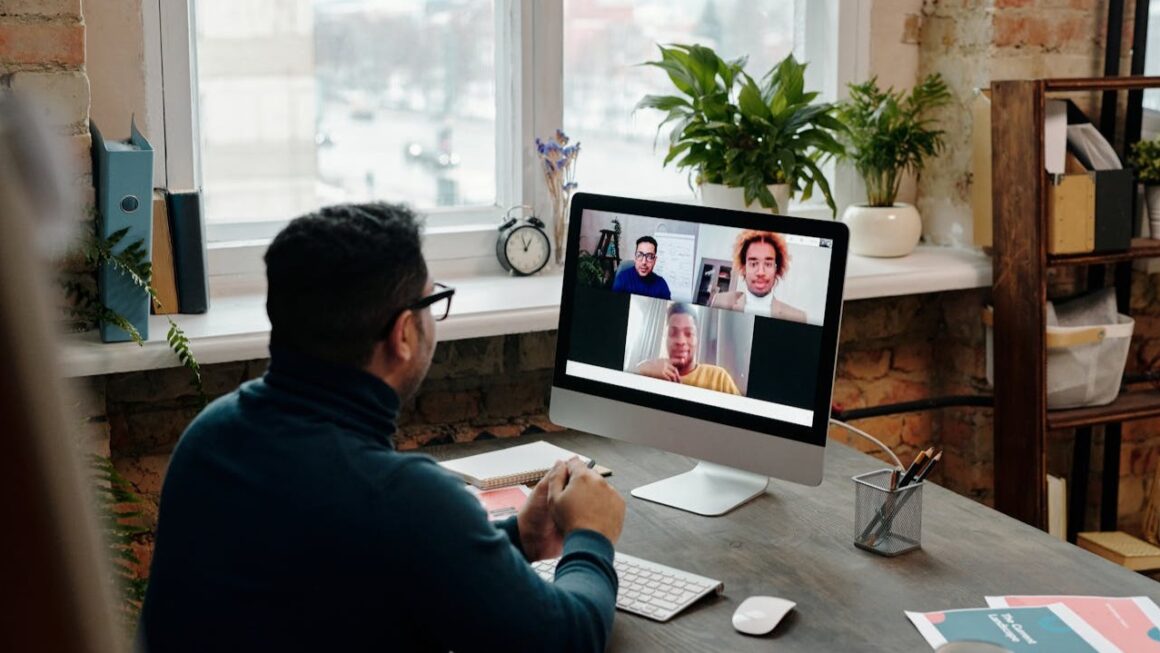
Understanding High Ticket Remote Closing Jobs
High ticket remote closing jobs are specialized sales positions where professionals sell premium products or services, often valued in the thousands of dollars. Unlike traditional sales roles that focus on high volume, high ticket closers concentrate on a smaller number of deals but with significantly higher value. These positions are usually remote, allowing individuals to work from anywhere while handling clients across different regions or time zones. Industries that frequently offer high ticket opportunities include coaching programs, software subscriptions, business consulting, luxury services, and high-end online courses. The compensation structure is often commission-based, meaning earnings can vary widely depending on skill level, experience, and sales performance. Many high ticket remote closers also have the flexibility to set their own schedules, providing both income potential and lifestyle freedom. Success in this field requires a combination of advanced sales skills, client psychology knowledge, and the ability to build trust remotely.
High ticket closers often deal with sophisticated clients who expect a personalized and professional approach. Unlike standard sales, these clients are not swayed by general marketing pitches; they want to know how the product or service solves their specific problem. Remote high ticket roles have gained popularity due to the rise of digital businesses and online coaching industries. Companies benefit from remote closers by reducing overhead costs while reaching global markets. Additionally, remote high ticket closing allows professionals to scale their earnings without geographical restrictions. Many closers report higher income potential compared to conventional sales jobs because commissions on large deals can be substantial. By understanding the dynamics of high ticket sales, individuals can position themselves as valuable assets to organizations looking to maximize revenue through expert closing strategies.
Skills and Qualities Needed to Succeed
Excelling in high ticket remote closing jobs requires more than basic sales knowledge. The ability to communicate effectively and persuasively is critical, as these roles rely heavily on building rapport with clients. High ticket closers must master objection handling, negotiation techniques, and active listening to address client concerns and move the conversation toward a successful close. Soft skills, such as empathy, patience, and confidence, are equally important because clients often make high-value purchases only after feeling genuinely understood. Technical skills are also essential; familiarity with CRM systems, video conferencing platforms, and sales automation software can streamline workflow and improve efficiency. Strong time management and self-discipline are crucial for remote work, ensuring that deadlines are met and opportunities are not missed.
High ticket closers must also have a growth mindset, embracing continuous learning and adapting to changing client demands. A strong understanding of product knowledge and industry trends helps closers anticipate client questions and provide tailored solutions. Emotional intelligence plays a significant role in navigating complex conversations, especially with high-profile clients who expect professionalism and discretion. Personal accountability is another essential trait, as remote work often lacks direct supervision. The combination of sales expertise, interpersonal skills, and remote work readiness sets the foundation for long-term success in this field.
Types of High Ticket Remote Closing Jobs
High ticket remote closing jobs come in various forms, allowing professionals to choose roles that align with their skills and lifestyle. Full-time positions offer a steady flow of opportunities and may include benefits, while part-time roles provide flexibility for individuals balancing other commitments. Compensation structures vary, ranging from commission-only arrangements to base salary plus commission packages. Some roles are freelance or contract-based, offering independence and the chance to work with multiple clients or companies simultaneously. High ticket closing positions may also differ in terms of client engagement, such as managing recurring accounts versus one-time high-value deals.
Many high ticket closers specialize in specific industries, such as tech, coaching, or finance, which helps them develop expertise and credibility. Others may work with diverse products, requiring adaptability and quick learning. The flexibility of remote high ticket roles attracts professionals seeking geographic freedom and scalable income potential. Companies often look for closers capable of handling complex sales cycles, managing leads independently, and delivering results under minimal supervision. Understanding these variations allows aspiring closers to identify opportunities that best fit their strengths and career goals.
How to Find High Ticket Remote Closing Jobs
Finding legitimate high ticket remote closing jobs requires research, networking, and strategic outreach. Online job platforms, including LinkedIn, Indeed, and specialized sales marketplaces, frequently list remote high ticket opportunities. Freelance websites and virtual assistant networks can also provide access to contract-based sales roles. Networking is a powerful tool; building relationships with industry professionals or joining sales communities can open doors to unadvertised positions. Social media platforms, particularly LinkedIn, can be leveraged to connect with hiring managers and demonstrate expertise in high ticket sales.
It is crucial to differentiate between legitimate opportunities and scams, as commission-based roles are sometimes misrepresented online. Indicators of authentic positions include clear compensation structures, professional communication from the company, and verifiable client or company references. Proactively reaching out to companies with a tailored pitch or cold email can also generate opportunities that are not publicly posted. By using multiple channels, candidates increase their chances of finding high-quality roles and positioning themselves as desirable remote high ticket closers.
How to Prepare and Land Your First Remote High Ticket Closing Role
Landing a high ticket remote closing job requires careful preparation and strategic presentation. Building a strong sales portfolio, highlighting previous achievements, and showcasing closing experience can set candidates apart from competitors. Crafting a compelling cover letter or personal pitch tailored to high ticket roles demonstrates professionalism and understanding of the industry. Practicing mock sales calls or presentations allows individuals to refine their approach, anticipate client objections, and enhance confidence. Familiarity with sales tools and CRM software is also essential to show readiness for remote work.
Interview preparation is equally important, as hiring managers evaluate both sales ability and fit for remote work. Common questions may focus on experience handling high-value clients, techniques for closing large deals, and methods for maintaining productivity remotely. Developing a strategy for virtual interviews, including proper lighting, professional attire, and clear communication, helps candidates make a strong impression. Continuous learning, such as taking high ticket sales training courses or attending webinars, can also improve skills and credibility. With dedication and preparation, aspiring closers can successfully secure their first high ticket remote closing role.
Strategies for Excelling as a Remote High Ticket Closer
Excelling in high ticket remote closing jobs requires a combination of skill, strategy, and discipline. Developing a daily routine that balances prospecting, follow-ups, and client meetings ensures consistent performance. Tracking key metrics, such as conversion rates, average deal size, and sales cycle length, helps identify areas for improvement. Building strong, long-term relationships with clients encourages repeat business and referrals. Leveraging upselling and cross-selling techniques can further increase revenue without requiring additional leads.
Continuous skill enhancement, such as improving negotiation tactics or studying buyer psychology, gives closers an edge over competitors. Remote closers must also prioritize communication clarity, ensuring clients feel heard, understood, and supported throughout the sales process. Staying adaptable, organized, and proactive allows closers to handle complex deals efficiently and maintain professional standards.
Bullet List: Daily Practices for Remote High Ticket Closers
-
Set specific daily sales goals and track progress
-
Schedule dedicated time for prospecting and outreach
-
Conduct research on clients and industries before meetings
-
Follow up consistently with leads and potential clients
-
Practice objection handling techniques regularly
-
Use CRM software to manage pipeline efficiently
-
Maintain work-life balance to prevent burnout
Tools and Technology to Boost Performance
Remote high ticket closers rely on technology to streamline operations and enhance productivity. Customer Relationship Management (CRM) platforms like Salesforce, HubSpot, or Zoho CRM help manage leads, track communications, and measure performance. Video conferencing tools, including Zoom, Microsoft Teams, or Google Meet, enable professional and personal interactions with clients worldwide. Sales automation software can optimize repetitive tasks such as follow-ups, reminders, and reporting, allowing closers to focus on high-value activities.
Other tools, such as scheduling apps, time trackers, and productivity platforms, improve efficiency and help maintain accountability in a remote work environment. Digital note-taking apps and collaboration software facilitate teamwork when managing multiple clients or working within a sales team. Staying updated with new tools and technologies gives high ticket closers a competitive advantage, ensuring seamless client experiences and maximizing revenue potential.
Challenges and How to Overcome Them
Working as a remote high ticket closer comes with its own set of challenges, which professionals must navigate to achieve success. Handling rejection is an inevitable part of high ticket sales, and maintaining motivation requires resilience and a positive mindset. Time zone differences can complicate scheduling, requiring careful planning and flexibility. Irregular income, especially in commission-only roles, can create financial stress if not managed properly.
Remote communication barriers, such as misinterpreted emails or technical difficulties during video calls, can also affect client relationships. High ticket closers must maintain discipline and organization to stay productive and meet sales targets. Implementing strategies such as consistent follow-ups, thorough preparation for client interactions, and proactive problem-solving helps overcome these obstacles. Prioritizing mental health and setting boundaries ensures longevity and satisfaction in a high-pressure, remote sales career.
FAQ
What exactly is a high ticket remote closer?
A high ticket remote closer is a sales professional who sells high-value products or services online, often handling complex deals while working from a remote location.
How much can I earn as a high ticket remote closer?
Earnings vary depending on commission structure, experience, and performance, but many closers earn anywhere from $50,000 to $200,000+ annually.
Do I need prior sales experience?
While prior experience is advantageous, some programs and training courses provide guidance for beginners to become successful high ticket closers.
Is remote high ticket closing suitable for beginners?
Yes, with proper training, mentorship, and practice, beginners can enter the field and gradually build skills to handle high-value sales.
How do I know if a high ticket remote job is legitimate?
Look for clear compensation structures, professional communication, verifiable references, and avoid opportunities that require upfront fees.
What tools do I need to start as a remote high ticket closer?
Essential tools include a reliable computer, high-speed internet, CRM software, video conferencing apps, and communication platforms.
How long does it take to become a successful high ticket closer?
Success timelines vary, but with consistent practice, skill development, and networking, many closers start seeing results within 3–12 months.
Takeaway
High ticket remote closing jobs offer a lucrative pathway for individuals seeking financial independence and career flexibility. Success in this field depends on mastering sales techniques, leveraging technology, and maintaining discipline while building strong client relationships. With preparation, continuous learning, and strategic execution, aspiring high ticket closers can secure rewarding remote positions and achieve significant income potential. The combination of advanced sales skills, remote work readiness, and persistence creates the foundation for a sustainable and high-earning career in this exciting industry.