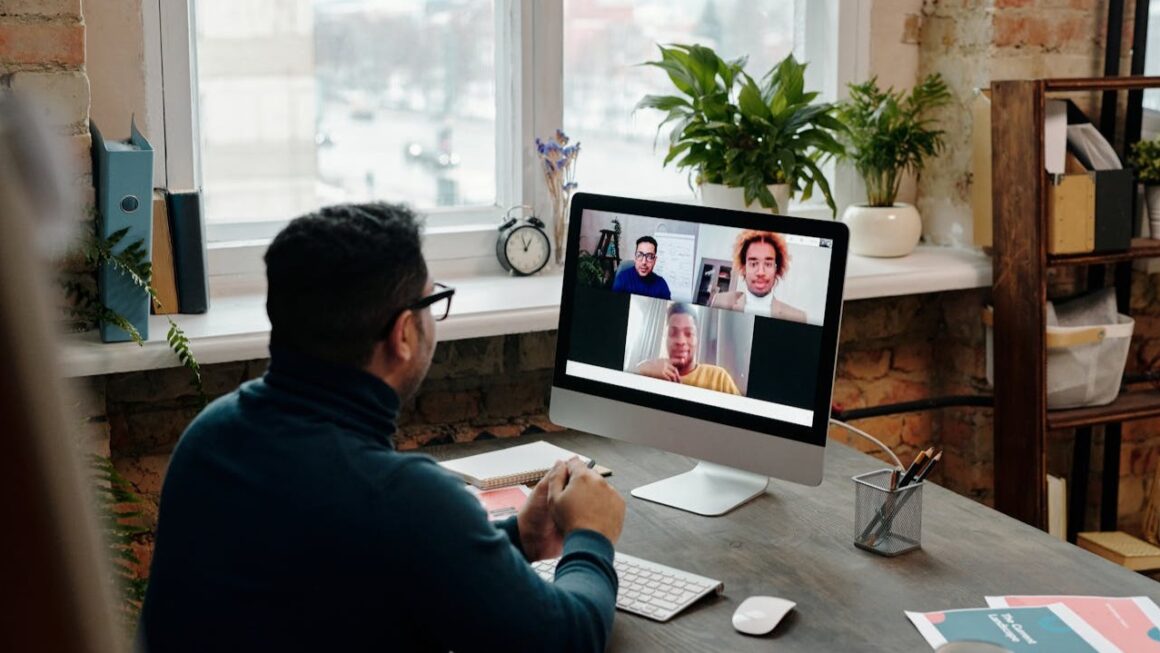
Businesses across the globe are rapidly shifting toward remote selling, and the demand for remote inbound sales closers continues to rise in industries that rely on high-quality customer interactions. Companies in the USA, UK, Canada, Australia, UAE, Singapore, and many other international markets are discovering that virtual sales professionals can dramatically improve conversion rates while reducing operational costs. As online businesses grow and digital marketing generates more qualified leads, organizations need experienced professionals who can turn interested prospects into paying clients. This is where remote inbound sales closers become essential.
Remote inbound sales closers specialize in handling warm leads that already show interest in a product or service. Instead of cold calling random prospects, these professionals focus on guiding qualified buyers through a strategic sales process that builds trust and drives purchasing decisions. Their role is becoming increasingly important as businesses compete in crowded digital markets where customer experience directly affects revenue growth. Companies that fail to optimize their inbound sales process often lose valuable opportunities to competitors that respond faster and communicate more effectively.
The growth of remote work technology has also made it easier for businesses to hire skilled sales closers from anywhere in the world. This flexibility allows companies to access experienced talent without being limited by geographic boundaries. Businesses can now build scalable remote sales teams that support multiple time zones and international customer bases while maintaining high conversion performance.
Why Remote Inbound Sales Closers Are Essential for Modern Businesses
Modern buyers are more informed than ever before. Before speaking with a sales representative, customers often research products, compare competitors, and evaluate online reviews. By the time they enter a sales funnel, they already expect a personalized and professional experience. Remote inbound sales closers help businesses meet these expectations through strategic communication and relationship-focused selling.
Companies investing heavily in digital advertising, SEO, social media campaigns, and lead generation funnels need professionals who can maximize the value of incoming leads. Without effective sales closers, businesses may spend thousands of dollars generating traffic that never converts into revenue. Remote inbound sales closers bridge the gap between marketing and revenue generation by ensuring prospects receive guidance that encourages confident buying decisions.
Another reason these professionals are gaining attention is scalability. Hiring traditional in-house sales teams can be expensive and time-consuming. Remote sales professionals offer businesses greater flexibility while lowering operational expenses. Organizations can quickly expand their sales capacity without investing in large office spaces or regional hiring efforts.
Businesses also benefit from the adaptability of remote inbound sales closers. Since they operate in virtual environments daily, they are highly skilled in managing video consultations, CRM systems, automated follow-ups, and digital communication tools. This allows them to create efficient sales processes that improve customer engagement and accelerate growth.
What Remote Inbound Sales Closers Actually Do
Remote inbound sales closers are responsible for converting warm prospects into customers through strategic conversations and relationship-building techniques. Their primary goal is to understand buyer needs and present solutions that align with those needs. Unlike traditional sales representatives who spend much of their time prospecting, inbound closers focus almost entirely on converting interested leads.
These professionals typically begin by reviewing lead information collected through marketing funnels, applications, or consultation forms. They analyze customer pain points, goals, and purchasing readiness before entering a sales conversation. During calls, they ask strategic questions designed to uncover motivations and challenges while building trust and credibility.
A major part of their role involves objection handling. Many buyers hesitate because of concerns about pricing, timing, or uncertainty regarding results. Skilled remote inbound sales closers know how to address these concerns without using aggressive pressure tactics. Instead, they guide prospects toward logical and emotionally confident decisions.
Their responsibilities often include:
-
Conducting virtual sales consultations
-
Managing inbound lead pipelines
-
Following up with qualified prospects
-
Handling objections professionally
-
Presenting premium offers clearly
-
Tracking performance metrics through CRM platforms
-
Collaborating with marketing and customer support teams
-
Supporting onboarding transitions after sales are completed
Because many high-ticket businesses operate online, remote inbound sales closers often become the direct human connection between a company and its customers. Their communication style can significantly influence customer trust, retention, and long-term brand perception.
Industries That Depend on Remote Inbound Sales Closers
Many industries now rely heavily on remote inbound sales closers to maintain consistent revenue growth. Businesses that sell high-ticket services or premium digital products often need specialists who can handle detailed sales conversations and guide prospects through longer buying cycles.
Coaching and consulting companies are among the largest users of remote inbound sales closers. These businesses typically generate leads through webinars, social media marketing, or online funnels and require closers who can explain the value of transformational services. Skilled sales professionals help potential clients feel confident about investing in coaching programs and consulting packages.
SaaS companies also benefit greatly from inbound sales teams. Software buyers often require demonstrations, strategic discussions, and onboarding explanations before committing to subscription plans. Remote inbound sales closers help simplify complex offers while addressing technical concerns and business objectives.
Additional industries that frequently hire remote inbound sales closers include:
-
Marketing agencies
-
Online education platforms
-
Financial services companies
-
Real estate investment firms
-
Healthcare and wellness brands
-
E-commerce businesses with premium products
-
Luxury service providers
-
Technology startups
-
Professional training organizations
As global commerce continues expanding online, more industries are realizing the importance of remote sales expertise. Businesses serving international customers need professionals who can adapt communication strategies across different cultures and time zones while maintaining consistent sales performance.
Skills That Make Remote Inbound Sales Closers Highly Effective
The best remote inbound sales closers possess a unique combination of communication skills, emotional intelligence, and sales strategy expertise. Closing high-ticket deals requires more than simple persuasion. Buyers expect meaningful conversations that demonstrate genuine understanding and professionalism.
One of the most important skills is active listening. Successful closers focus on understanding customer goals instead of rushing into a sales pitch. By listening carefully, they can position solutions in ways that feel personalized and relevant. This creates stronger emotional connections that improve trust and conversion rates.
Emotional intelligence also plays a critical role in sales performance. Skilled closers recognize verbal cues, hesitation patterns, and emotional concerns during conversations. This allows them to respond strategically while making prospects feel heard and understood.
Remote inbound sales closers must also be highly organized. Managing multiple leads, follow-ups, and appointments requires strong time management and CRM proficiency. Professionals who fail to maintain consistent communication often lose valuable opportunities.
The most effective remote closers usually excel in these areas:
-
Virtual communication skills
-
Relationship-based selling
-
Negotiation techniques
-
Time management
-
CRM software proficiency
-
Sales psychology
-
Objection handling
-
Adaptability in remote environments
-
Confidence during presentations
-
Follow-up consistency
As competition increases across digital industries, businesses increasingly seek sales professionals who combine technical knowledge with strong interpersonal abilities.
How Remote Inbound Sales Closers Increase Revenue Growth
Revenue growth depends heavily on conversion efficiency. Many businesses already invest substantial resources into marketing campaigns, paid advertising, and lead generation strategies. However, generating leads alone does not guarantee profitability. Without experienced professionals guiding prospects through the buying process, many opportunities fail to convert.
Remote inbound sales closers improve revenue growth by increasing the percentage of leads that become customers. Their expertise allows businesses to maximize the return on marketing investments while shortening sales cycles. Faster conversions create more predictable cash flow and stronger business stability.
These professionals also help increase average customer value. Through strategic conversations, they can identify opportunities for upselling premium services or recommending higher-level packages that better align with customer goals. This increases overall revenue without requiring additional lead generation costs.
Another important advantage involves customer experience. Buyers who feel supported during the sales process are more likely to remain loyal to a brand. Positive interactions improve customer satisfaction and encourage referrals, which can contribute to long-term growth.
Businesses often experience the following benefits when working with remote inbound sales closers:
-
Higher conversion rates
-
Faster sales cycles
-
Better lead management
-
Improved customer satisfaction
-
Increased client retention
-
Higher average transaction values
-
Reduced founder burnout
-
More scalable sales operations
For growing businesses, these improvements can create significant competitive advantages in crowded markets.
Challenges Businesses Face Without Skilled Remote Inbound Sales Closers
Companies that attempt to manage inbound sales without experienced professionals often encounter serious challenges. One of the most common problems is slow lead response time. Prospects who wait too long for communication may lose interest or choose competitors that respond more quickly.
Another issue involves inconsistent messaging. Founders and internal staff members may lack formal sales training, leading to conversations that fail to address customer concerns effectively. This can reduce trust and create confusion during the buying process.
Businesses also struggle with scalability when sales systems rely entirely on owners or small internal teams. As lead volume grows, maintaining personalized communication becomes increasingly difficult. Missed follow-ups and scheduling delays can significantly reduce conversion opportunities.
Common challenges include:
-
Low conversion rates
-
Poor customer communication
-
Missed follow-up opportunities
-
Inconsistent sales processes
-
Founder overload
-
Difficulty managing growing lead pipelines
-
Reduced customer confidence
-
Revenue instability
Remote inbound sales closers help eliminate these issues by providing structured systems and professional communication strategies that improve efficiency and customer experience.
The Technology Behind Remote Inbound Sales Success
Technology plays a major role in the effectiveness of remote inbound sales closers. Modern sales environments rely heavily on digital tools that streamline communication, automate workflows, and improve data tracking.
CRM platforms allow closers to manage leads efficiently while tracking every stage of the customer journey. These systems help ensure that no opportunities are forgotten and follow-up communication remains consistent. Sales professionals can review prospect history, monitor engagement, and personalize conversations based on customer behavior.
Video conferencing software has also transformed remote selling. Virtual consultations allow businesses to build stronger relationships with prospects regardless of location. Face-to-face communication through platforms like Zoom creates more engaging conversations and improves trust during high-ticket sales discussions.
Other essential tools frequently used by remote inbound sales closers include:
-
Appointment scheduling software
-
Sales automation platforms
-
Analytics dashboards
-
Team communication applications
-
Proposal generation tools
-
Payment processing systems
-
Customer onboarding software
These technologies help remote sales teams maintain efficiency while supporting global operations across multiple markets.
How Businesses Can Choose the Right Remote Inbound Sales Closers
Hiring the right remote inbound sales closers can significantly affect business performance. Companies should look beyond basic sales experience and evaluate whether candidates understand relationship-based selling and modern virtual communication.
Industry experience is often important, especially for businesses selling specialized or high-ticket services. Closers who understand a company’s target audience can communicate more confidently and address customer concerns effectively. Businesses should also assess whether candidates have experience working in remote environments and managing digital sales systems.
Communication ability remains one of the most important evaluation factors. Strong closers know how to guide conversations naturally without sounding scripted or overly aggressive. Businesses should pay close attention to listening skills, empathy, and confidence during interviews or mock sales calls.
Important hiring considerations include:
-
Previous high-ticket sales experience
-
Industry knowledge
-
CRM proficiency
-
Virtual presentation skills
-
Conversion performance history
-
Adaptability and professionalism
-
Cultural alignment with the brand
-
Ability to work independently
-
Follow-up discipline
The right remote inbound sales closers can become long-term revenue partners that support sustainable growth and customer satisfaction.
The Future of Remote Inbound Sales Closers
The future of remote sales continues to evolve as businesses embrace digital transformation and global hiring strategies. Remote inbound sales closers are expected to become even more valuable as competition increases across online industries.
Artificial intelligence and automation tools will likely support sales workflows by improving lead qualification and customer insights. However, human connection will remain critical in high-ticket sales environments where trust and emotional confidence influence buying decisions. Skilled closers who combine technology with authentic communication will continue to outperform purely automated systems.
Businesses are also becoming more global. Companies increasingly serve customers across the USA, UK, Canada, Australia, UAE, Singapore, and other international regions. Remote sales professionals make this expansion possible by supporting flexible communication across different time zones and customer expectations.
As digital marketing generates larger volumes of inbound leads, businesses will continue searching for specialists who can convert attention into revenue. Remote inbound sales closers will remain essential contributors to scalable growth strategies in the years ahead.
FAQ About Remote Inbound Sales Closers
What are remote inbound sales closers?
Remote inbound sales closers are virtual sales professionals who convert warm leads into paying customers through online consultations, phone calls, and digital communication platforms.
How do remote inbound sales closers differ from outbound sales representatives?
Inbound closers focus on qualified leads who already expressed interest in a product or service, while outbound representatives actively search for prospects through cold outreach methods.
What industries benefit most from remote inbound sales closers?
Industries such as coaching, SaaS, marketing agencies, online education, financial services, real estate, and wellness companies commonly rely on remote inbound sales professionals.
Why are remote inbound sales closers becoming more popular?
Businesses are shifting toward remote operations, global markets, and digital lead generation strategies. Remote closers help improve conversions while reducing operational costs.
What skills should businesses look for in remote inbound sales closers?
Important skills include communication, emotional intelligence, objection handling, CRM proficiency, negotiation abilities, and strong follow-up discipline.
Can remote inbound sales closers work internationally?
Yes. Many remote sales professionals work with clients across the USA, UK, Canada, Australia, UAE, Singapore, and other global markets.
How do remote inbound sales closers improve conversion rates?
They use strategic communication, personalized consultations, and relationship-based selling techniques to guide qualified prospects toward purchasing decisions.
What tools do remote inbound sales closers use?
Common tools include CRM platforms, video conferencing software, scheduling applications, sales automation systems, analytics dashboards, and payment processing tools.
Takeaway
Remote inbound sales closers have become essential for businesses that want to scale revenue in highly competitive digital markets. Their ability to convert warm leads into loyal customers helps organizations maximize marketing investments while improving customer experiences. As remote work and online business continue expanding globally, companies increasingly depend on skilled virtual sales professionals to maintain consistent growth. Businesses that invest in experienced remote inbound sales closers position themselves to build stronger customer relationships, increase conversion rates, and compete more effectively across international markets.