Understanding Remote Closer Jobs Meaning in Today’s Digital Sales World
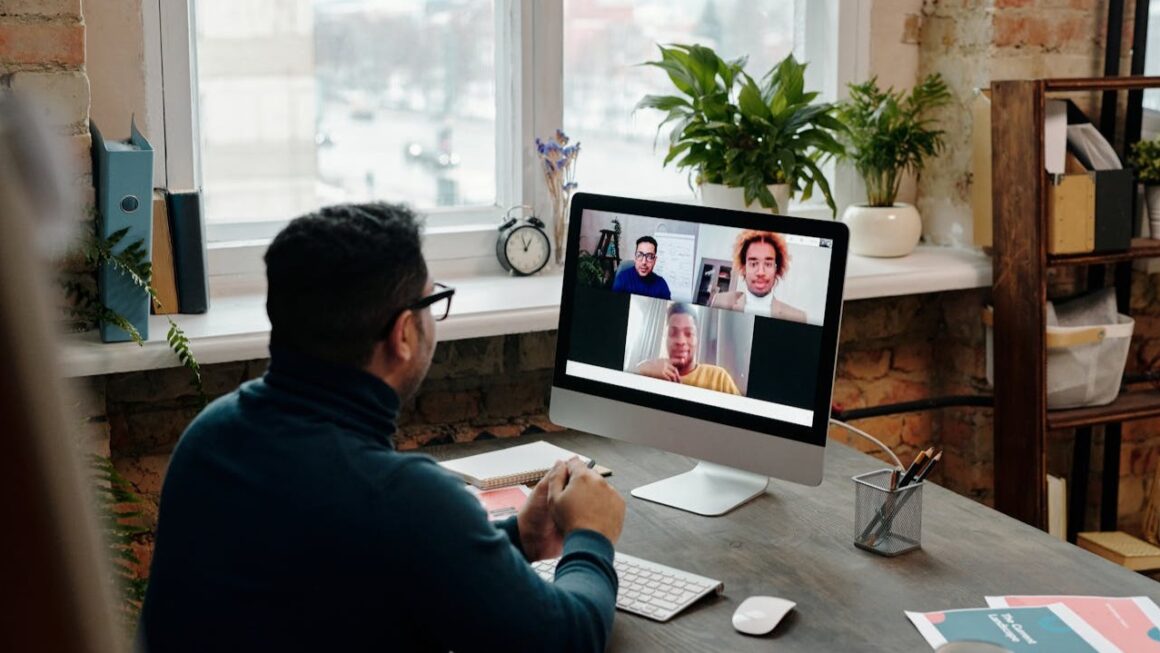
The term remote closer jobs meaning refers to a modern sales role where professionals close high-value deals entirely online or over the phone without being physically present in an office or meeting clients in person. This role has become increasingly important as businesses continue shifting toward digital platforms and remote operations. A remote closer is typically responsible for converting qualified leads into paying customers through structured sales conversations. Unlike traditional sales jobs that may rely on face-to-face interaction, this role operates entirely through virtual communication tools. Many companies now depend on remote closers to scale their revenue without increasing physical overhead costs. This shift has opened new opportunities for individuals who are skilled in communication and persuasion. The role is often performance-based, meaning income potential is closely tied to the number of successful deals closed. Understanding remote closer jobs meaning helps clarify why this career path is becoming so attractive in the digital economy. It is not just a job but a specialized skill set that plays a key role in online business growth.
What Does Remote Closer Jobs Meaning Actually Refer To?
When breaking down remote closer jobs meaning, it refers to a specific position in the sales funnel where the primary responsibility is closing deals. A remote closer does not usually generate leads or perform cold outreach; instead, they work with warm prospects who have already shown interest in a product or service. This distinction makes the role more focused and strategic compared to general sales positions. The job revolves around guiding potential customers toward making a final purchasing decision. Remote closers often work in industries that sell high-ticket products or services, such as coaching programs, software subscriptions, or consulting services. Their success depends heavily on communication skills and the ability to build trust quickly. In many cases, they act as the final step between interest and purchase. This role has become essential in modern online business models that rely on conversion optimization. Understanding this definition helps clarify why companies invest heavily in trained remote closers.
Core Responsibilities of a Remote Closer
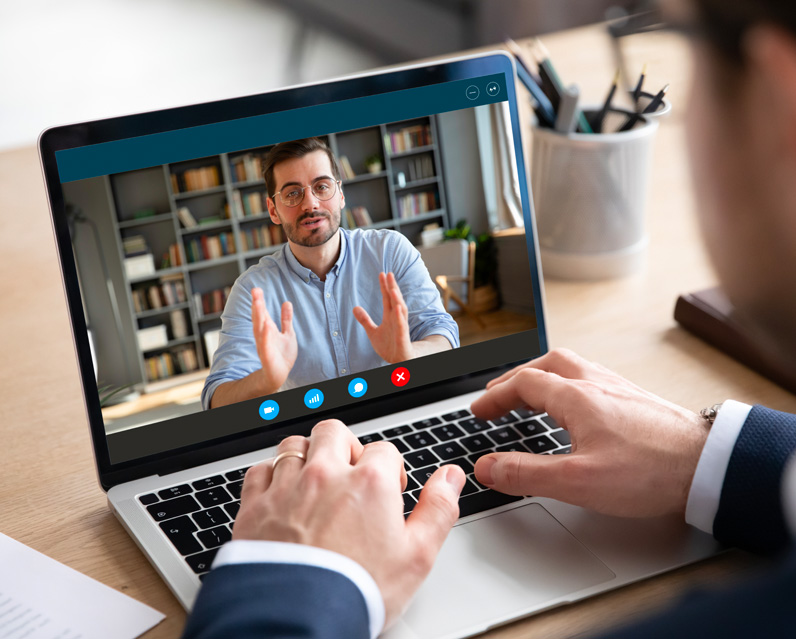
A remote closer has several important responsibilities that directly impact revenue generation. The primary task is conducting sales conversations through virtual platforms such as Zoom, phone calls, or messaging systems. They must understand customer needs and align them with the value of the product or service being offered. Handling objections is a major part of the job, requiring patience and strategic communication. Remote closers also need to maintain detailed records of their interactions and track conversion performance. They often collaborate with appointment setters and marketing teams to ensure a steady flow of qualified leads. Their role is not about pushing sales aggressively but guiding prospects toward confident decisions.
Key responsibilities include:
-
Conducting structured sales calls with potential clients
-
Building rapport and trust quickly
-
Identifying customer pain points and goals
-
Presenting tailored solutions based on needs
-
Handling objections professionally
-
Closing deals and processing payments
-
Tracking performance metrics and improving conversion rates
These responsibilities show how critical the role is within digital sales operations. Without effective closers, many online businesses would struggle to convert interest into revenue.
How Remote Closing Works Step-by-Step
The process behind remote closing is structured and strategic. It begins with lead generation, where marketing teams attract potential customers through ads, content, or referrals. Once leads are qualified, they are scheduled for calls with remote closers. Before each call, closers often review notes about the prospect to prepare personalized talking points. During the conversation, the closer identifies needs, builds trust, and presents the offer. Objection handling is a key stage where concerns about price, value, or timing are addressed. If successful, the conversation ends with the customer making a purchase decision. After the call, the closer updates CRM systems to track outcomes and performance.
The process typically includes:
-
Lead qualification through marketing or sales teams
-
Appointment scheduling with interested prospects
-
Pre-call preparation and research
-
Structured sales conversation
-
Objection handling and negotiation
-
Closing the deal
-
Post-call documentation and follow-up
This structured workflow ensures consistency and efficiency in converting leads into customers.
Skills Required to Become a Successful Remote Closer
Becoming a remote closer requires a specific set of skills that go beyond basic sales knowledge. Strong communication skills are essential because every interaction is based on verbal or written persuasion. Emotional intelligence plays a key role in understanding customer behavior and motivations. Active listening is another critical skill that helps closers identify hidden objections. Confidence is necessary when discussing high-ticket offers without hesitation. Time management ensures that closers can handle multiple calls efficiently throughout the day. Adaptability is also important because different industries require different sales approaches.
A strong remote closer typically develops skills such as:
-
Persuasive communication techniques
-
Emotional intelligence in customer interactions
-
Strategic objection handling
-
Confidence in high-value conversations
-
Product knowledge and industry awareness
-
Time and task management
-
Ability to work independently in remote environments
These skills make the difference between average performance and high-level success in the role.
Tools and Platforms Used by Remote Closers
Remote closers rely heavily on digital tools to perform their job efficiently. Customer Relationship Management (CRM) systems are used to track leads and monitor sales pipelines. Video conferencing platforms are essential for conducting live sales calls. Messaging tools help maintain communication with team members and clients. Payment processing systems are used to finalize transactions securely. Analytics tools provide insights into performance metrics and conversion rates. These tools help streamline the entire sales process and improve productivity.
Common tools include:
-
CRM platforms for lead tracking
-
Video conferencing software
-
Communication apps for team coordination
-
Digital contract and payment systems
-
Performance analytics dashboards
Without these tools, remote closing would not function efficiently at scale in modern businesses.
Types of Companies Hiring Remote Closers
Many industries now rely on remote closers to increase revenue. Online coaching and consulting businesses are among the largest employers in this space. SaaS companies also depend on closers to convert software trials into paid subscriptions. Digital marketing agencies use closers to sell their services to business clients. E-learning platforms hire closers to sell online courses and programs. Real estate investment companies also use remote closers to handle remote sales transactions. These industries share a common need for high-ticket sales expertise.
Industries hiring remote closers include:
-
Online coaching and mentoring programs
-
Software and SaaS companies
-
Digital marketing agencies
-
E-learning and course platforms
-
Real estate investment firms
-
High-ticket e-commerce brands
This diversity shows how widespread the role has become across digital business models.
Salary Expectations and Income Potential
Income in remote closing roles is highly variable because it is often commission-based. Beginners may start with modest earnings while learning the sales process. Experienced closers, however, can earn significantly higher incomes depending on their performance. Some roles include a base salary combined with commission, while others are fully commission-driven. Earnings depend on factors such as industry, product price, and conversion rates. High-ticket sales roles tend to offer the highest income potential due to larger deal sizes. Performance consistency is the key driver of long-term financial success in this career.
Benefits of Working as a Remote Closer
Working as a remote closer offers several advantages for individuals seeking flexibility and income growth. One of the most appealing benefits is location independence, allowing professionals to work from anywhere. The role does not typically require a formal degree, making it accessible to many people. Income potential is significantly higher compared to many traditional sales roles. Remote closers also gain valuable communication and negotiation skills that can be applied across industries. Career growth opportunities are strong due to increasing demand for digital sales professionals. The flexibility of remote work also allows for better personal time management.
Challenges Faced in Remote Closer Roles
Despite its advantages, remote closing also comes with challenges. Income instability can be difficult for individuals who rely solely on commissions. Handling rejection is a regular part of the job and requires emotional resilience. Lead quality can vary, affecting conversion success rates. Adapting quickly to different products and industries can also be demanding. Remote work may sometimes feel isolating without in-person team interaction. Maintaining motivation and discipline is essential for long-term success in this role.
How to Become a Remote Closer
Entering this career typically involves learning foundational sales skills and practicing communication techniques. Many aspiring closers start by taking online sales training programs. Practicing role-playing scenarios helps improve objection handling abilities. Building a small portfolio or gaining experience in entry-level sales roles can be helpful. Networking with digital entrepreneurs can lead to job opportunities. Consistent practice and learning are key to improving performance over time.
Remote Closer Jobs Meaning in the Freelance Economy
The rise of freelance and gig-based work has significantly influenced remote closer jobs meaning in today’s economy. Many closers now work independently with multiple clients rather than being tied to a single company. This flexibility allows them to choose projects and industries that align with their skills. Freelance platforms and online business communities have made it easier to find remote closing opportunities. This shift has created a more dynamic and flexible sales environment. Remote closing has become an important part of the modern digital freelance ecosystem.
Common Misconceptions About Remote Closing
There are several misunderstandings about remote closing roles. Some people believe it is an easy way to make money quickly, which is not accurate. The role requires strong communication skills and consistent effort. Another misconception is that no experience is needed, while in reality, training and practice are essential. Some also confuse remote closers with telemarketers, but the responsibilities are very different. Remote closers focus on warm leads and structured sales conversations rather than cold calling. Understanding these differences helps set realistic expectations.
Future of Remote Closer Careers
The demand for remote closers is expected to continue growing as more businesses shift online. Digital education, SaaS platforms, and coaching industries are expanding rapidly. Automation tools may assist sales processes, but human closers remain essential for high-ticket deals. Personalized communication continues to play a major role in conversion success. This career path is likely to remain relevant as long as online businesses continue to scale. Remote closing is becoming a long-term opportunity rather than a temporary trend.
FAQ: Remote Closer Jobs Meaning
What does remote closer jobs meaning refer to?
It refers to a remote sales role focused on closing deals with interested prospects through online communication channels.
Is remote closing a legitimate career path?
Yes, it is widely used in digital businesses that rely on high-ticket sales and online conversions.
Do remote closers need prior experience?
Not always, but sales training and practice significantly improve success rates.
How do remote closers earn money?
Most earn through commission-based structures tied to successful sales.
Can remote closing be done part-time?
Yes, many professionals work part-time depending on client agreements and availability.
What industries hire remote closers?
Coaching, SaaS, marketing agencies, and online education platforms commonly hire closers.
Takeaway
Understanding remote closer jobs meaning reveals a modern career path built around digital communication, persuasion, and performance-based income. It is a role that blends sales psychology with remote flexibility, making it highly attractive in today’s online economy.